
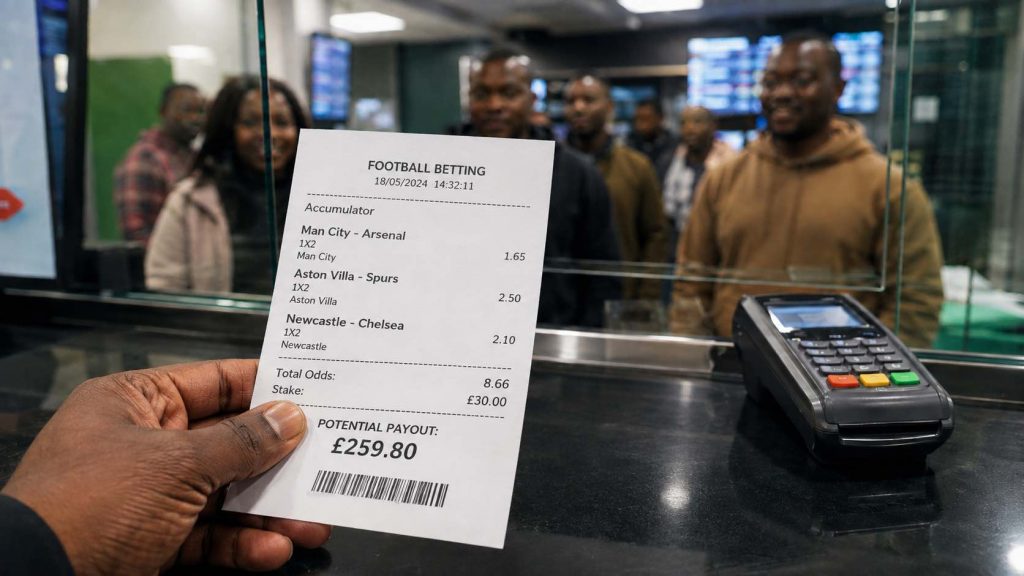
You know that feeling after a match when you check your bet slip and something just doesn’t seem right. It’s not dramatic, and it’s not a sign that everything is unfair. It’s just a small difference between what you expected and what the slip actually shows as the final result.
Maybe the slip says void when you thought you’d see a win or a loss. Or maybe it’s still under review, taking longer than you expected. Sometimes the result seems obvious from watching the match, but your bet is settled in a way you didn’t expect. So, like most people, you reach out to support.
Support is usually polite, though their replies can sometimes sound a bit scripted. They’ll explain that the settlement rules are written in the sportsbook’s rules, and then send you a link, and you get a long page full of house rules, settlement rules, and market rules. You click the link and start reading, but it feels like a legal document that wasn’t written for you.
This page explains where settlement decisions usually come from and how to find the language that sets the boundaries.
Why the Market Name and Bet Slip Are Not the Whole Contract
Think of it in three layers.
The market name is like a headline: “Both Teams to Score,” “First Goalscorer,” or “Match Result – Regular Time.” These headlines give you the main idea, but they don’t explain what counts as a goal, what happens if the match is abandoned, or which data source the sportsbook uses to settle.
The bet slip is like a receipt. It confirms what you bought: the market, your selection, the odds, and your stake. It sums up the transaction, but it doesn’t spell out all the terms. Reading a Bet Slip? Here’s What You Need to Know
The rules page is the contract. It includes the definitions, exceptions, settlement details, and special cases. If a settlement surprises you, it’s usually because the rules page and the market name said slightly different things, and the rules page is what matters most.
Most surprises happen when people think the headline is the full agreement. It’s not. The headline shows you the market, but the rules explain where the real boundaries are.
The Seven Clauses That Often Decide Settlement
You don’t need to memorize the whole rules page. These pages can be long, but most settlement outcomes come down to one of seven types of clauses. Here’s what each one covers and why people often miss them.
1. Time Scope — What Counts as "the Match."
On the pitch:
If a cup match goes to extra time and a late goal decides the game, your slip might settle as if that goal never happened. The boundary wasn’t the whole match; it was just regular time.
A common confusion is when a goal or event in extra time changes the real result, but if the market only covers regular time, the settlement is based on the 90-minute outcome.
What it controls:
Time scope clauses set the time period the market covers. Is it just regular time? Does it include extra time or penalties? Sometimes it’s the whole match, sometimes just part of it.
Time scope clauses set the time period the market covers. Is it just regular time? Does it include extra time or penalties? Sometimes it’s the whole match, sometimes just part of it.
People often miss this because they watched the whole match and assume their bet did too.
Wording you’ll often see: “90 minutes,” “regular time only,” “including extra time and penalties.”
2. Settlement Trigger — What Actually Settles the Market
Common confusion:
An event happened in the match. But the market is settled on a narrower definition of what counts as “that event.”
An event happened in the match. But the market is settled on a narrower definition of what counts as “that event.”
This clause controls the exact event or condition that closes the market. It’s not just about whether something happened, but whether it happened in the way the rules describe.
People often miss this because market labels seem like full explanations. For example, “Player to Score” sounds clear until you read the rules about what counts as scoring.
You’ll often see wording like “settled on,” “counts only if,” “as determined by,” or “for settlement purposes.”
3. Void & Cancellation
On the pitch:
If the match doesn’t finish normally, your slip’s outcome depends on the platform’s rules for completed matches. These rules can vary depending on which market you bet on.
If the match doesn’t finish normally, your slip’s outcome depends on the platform’s rules for completed matches. These rules can vary depending on which market you bet on.
A common confusion is when one market is voided under an abandonment rule, but another market stands. This happens because each market can have different rules and conditions.
What it controls :
These clauses explain how bets are handled if a match is postponed, abandoned, cancelled, or disrupted. Rules pages often separate this by market type, since each market can have its own completion rules.
These clauses explain how bets are handled if a match is postponed, abandoned, cancelled, or disrupted. Rules pages often separate this by market type, since each market can have its own completion rules.
Why people miss it:
People expect one outcome when a match doesn’t finish, but the rules can lead to different results depending on the market.
People expect one outcome when a match doesn’t finish, but the rules can lead to different results depending on the market.
Wording you’ll often see: “abandoned,” “postponed,” “void if,” “cancelled,” “will stand if.”
4. Participant Eligibility — Player Markets in Particular
What it controls: What the sportsbook means by “participating” or “eligible” in player-related markets. This definition does a lot of quiet work.
Why people miss it: A player’s name on the slip feels like certainty. The eligibility clause may require something more specific — such as starting the match or playing a minimum number of minutes.
Common confusion: A player comes on as a substitute. Depending on the clause, that may or may not satisfy the participation condition the market was written around.
It’s helpful to know that some rules pages label markets as “All Bets Are Action” or “No Run No Action.” These labels show two different ways of handling situations when a participation condition isn’t met, and they can lead to very different outcomes from the same match event, even if the market name stays the same.
A key point: eligibility clauses are important but easy to overlook. They’re usually found in market-specific rules, not the general ones.
Wording you’ll often see: “must take part,” “must start,” “appearance,” “All Bets Are Action,” “No Run No Action.”
5. Official Result / Data Source
This clause controls what the sportsbook considers the official version of events and what “final” means for settling bets.
People often miss this because the live broadcast or app tracker feels like the official record, but the rules usually define something more specific.
A common confusion is that official statistics can be corrected after the match. Whether this changes your settlement depends on the platform’s settlement time window. If a correction comes in during that window, it might affect your bet; if it comes after, it usually won’t.
The main point: the rules page explains what “final” means for your bet, while the broadcast just shows what happened in the match.
Wording you’ll often see: “official sources,” “data provider,” “as recorded by,” “final decision,” “subject to official confirmation.”
6. Obvious Error / Palpable Error (If Applicable)
What it controls:
This clause explains what the platform treats as the official source for settlement, such as official results, a stats provider, or a competition authority. Some rules also clearly or indirectly define when settlement is considered final.
This clause explains what the platform treats as the official source for settlement, such as official results, a stats provider, or a competition authority. Some rules also clearly or indirectly define when settlement is considered final.
Why people miss it:
Because live broadcasts and app graphics feel official in the moment, and people assume any later correction must automatically flow through.
Because live broadcasts and app graphics feel official in the moment, and people assume any later correction must automatically flow through.
Common confusion:
When the real-world record changes, people expect the bet record to change too, but they may not realize the rules can set a final cut-off point.
7. Market-Specific Exceptions
What it controls: Exceptions that apply only to a particular market type — and often the place where the real settlement boundary sits.
Why people miss it: General rules feel like the complete picture. Readers often stop there and don’t reach the market-specific section, where the exceptions live.
A common confusion is that the general rules seem clear, but a market-specific exception can change the boundaries in ways the general rules don’t cover. That exception is often what decides the settlement.
The main takeaway: exceptions often set the real boundaries of the contract. They’re easy to miss and hard to challenge later.
Wording you’ll often see: “exceptions apply,” “does not count if,” “specific to this market,” “for this market only.”
Why People Misread Rules Pages
Even when the rule is there, people still miss it.
It’s not because people are careless, but because the situation almost sets you up to misread the rules.
We read only after the result.
Most people don’t look at rules pages when everything is fine. They only check them when something feels off, and that timing affects how we read them.
Most people don’t look at rules pages when everything is fine. They only check them when something feels off, and that timing affects how we read them.
Emotion narrows attention.
When you’re surprised, you want a quick explanation that supports what you thought. You look for proof you were right and often miss the line that actually sets the boundary.
When you’re surprised, you want a quick explanation that supports what you thought. You look for proof you were right and often miss the line that actually sets the boundary.
We treat the slip as the contract.
The slip is just a summary. It feels official, so we assume it has all the important details. When it doesn’t, we think something is missing, instead of realizing that the full rules are usually found somewhere else.
The slip is just a summary. It feels official, so we assume it has all the important details. When it doesn’t, we think something is missing, instead of realizing that the full rules are usually found somewhere else.
You don’t have to read every rule — just know which sections shape settlement.
That’s why the seven-clause approach helps. It gives you a clearer and calmer way to understand what you’re reading.
A 5-Minute Orientation Map
Rules pages can be long, and most of the details won’t apply to every bet. But three main points answer most settlement questions.
Anchor A is the frame: time scope and settlement trigger. These two clauses set the main boundaries for the market. Time scope tells you what period counts, and settlement trigger tells you what event closes the market. Together, they define the basic limits before anything else matters.
Anchor B is the exceptions: void and cancellation clauses, along with market-specific exceptions. This is where you find special cases. If a standard condition wasn’t met or something interrupted the match, the answer is usually here.
Anchor C is the authority: official result, data source, and settlement time window. This anchor tells you what the platform considers final and when that finality starts. It’s the last piece and the one that settles any disagreements about what “actually happened” for your bet.
You don’t need read everything. JusJust focus on the clauses that set the boundaries,one of these three anchors will have your answer.
This page explains how settlement rules are usually worded. It is not betting advice or a platform recommendation.