
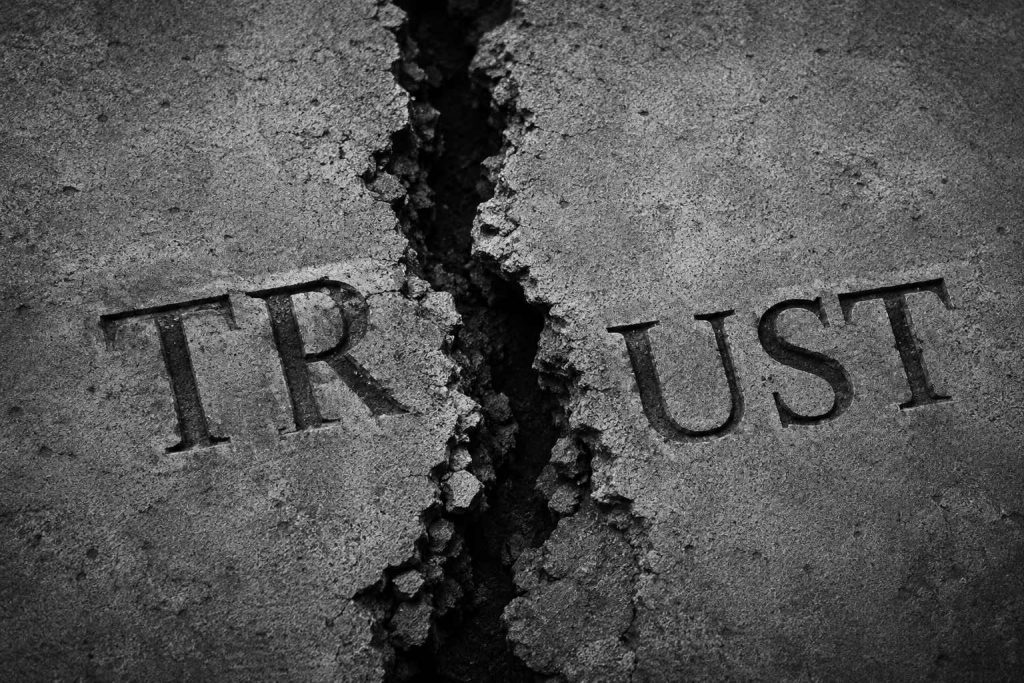
Losing money hurts. Anyone who has seen their balance drop knows that sinking feeling. But what often causes the most lasting damage is not the loss itself. It’s what happens next, when the urge to fix things takes over and starts affecting other parts of your life. This article focuses on what happens when the story changes from “I lost some money” to something more complicated.
When You're Out of Money But Still Trying to Claw Back
You don’t need a complicated chain of events for this next part to happen.
You’re down. You have nothing left to play with. But just sitting with that gap and doing nothing about it feels unbearable. So your mind looks for the quickest way to fix it. In that moment, borrowing might seem like the easiest option.
It’s important to notice when that thought appears. Once borrowing comes into play, it’s no longer just about how much you’ve lost. It also affects your credit and the people around you who trusted you.
The Chain That's Harder to Break Than It Looks
Here’s how this usually happens, and it rarely feels dramatic at the time.
You ask to borrow money, but you can’t clearly say what it’s for. So you soften the reason, change it, or leave it unfinished. It’s not because you want to deceive anyone, but because the real answer feels too hard to explain, too embarrassing, or just easier to handle after you’ve fixed things.
Most people who end up in this pattern didn’t start off planning to mislead anyone. What usually happens first is that they mislead themselves: I just need to cover this gap, then everything goes back to normal.
But once you start using one story to cover up another, things get unstable. Trust, especially the kind between friends or family, usually doesn’t survive too many rounds of this.
Then comes the delay. “I’ll sort it next week” turns into “just a bit longer.” That can turn into silence. Sometimes, it leads to disappearing altogether: unanswered messages, avoided conversations, and the slow fading away that people who lent money often say feels worse than hearing the truth from the start.
By that point, whatever was borrowed has cost more than the original amount.
Why the Trust Loss Tends to Hit Harder Than the Money Loss
Money, at least in theory, can be rebuilt. You can earn more. Things can turn around. The math might look terrible now, but it’s not necessarily permanent.
Trust works differently.
Think of trust as a kind of asset. It quietly shapes who is willing to help you, give you a chance, make an introduction, or support something you’re working on. You can’t see it like money, but it still affects what opportunities come your way.
After a trust collapse, something subtler tends to happen. The people around you don’t just feel burned , they become uncertain. They don’t know if you’re going to come back asking again. They don’t know what to believe the next time you tell them something. You become, in their minds, an unknown variable. And people tend to quietly pull back from unknown variables.
Word also spreads faster than most people expect, especially in a close group. The version of you that was reliable and trustworthy is surprisingly hard to rebuild once a different story is out there.
You can slowly recover lost money. But if you lose trust suddenly, it can take years to repair, if it ever gets fixed at all.
And There's a Layer That Collapses Even Earlier: Your Trust in Yourself
Before any of this happens, before the borrowing and the strained friendships, there is often a quieter version already starting.
It starts small. I’ll only play with this much. Then you go a little over. I’ll stop after this. Then you don’t. I won’t borrow. And then, eventually, you do.
Each time you make a promise to yourself and then quietly break it, something inside you wears down. It’s not dramatic, just a little bit each time. You start to lose the feeling that you can trust your own word, that what you tell yourself really matters.
By the time someone is borrowing to chase a loss, they have often been breaking small promises to themselves for a while. This is usually the hardest part to rebuild, because no one else can see it or fix it for you.
When you can’t trust your own next decision, getting back on solid ground gets a lot harder.
Before It Gets to Borrowing: Signs Worth Catching Earlier
The urge to borrow doesn’t appear out of nowhere. Before it happens, there are usually earlier changes—smaller ones that are easier to ignore.
A few worth noticing:
The feeling you’re chasing starts to change. It becomes less about the game and more about trying to get back the high from winning, the one that made everything feel brighter. The bet starts to feel more like a button you press than something you’re really involved in.
The money in your account starts to feel different, maybe less real, as if it could disappear and be replaced. Once you start thinking this way, making exceptions becomes easier. “Just this once” starts to feel like it doesn’t matter much.
The checking becomes more frequent. More refreshing, more expanding, more looking for the next thing. Stopping starts to feel oddly uncomfortable, like something is unfinished.
These kinds of changes often appear before any major loss, which is why they are important to notice. For a fuller picture of what early drift can look like, see 5 Subtle Signs Your Betting is Starting to Drift
The Difference Comes Down to This
When betting stays as entertainment, something you do with a set budget and can walk away from, the cost is usually limited. You spend what you planned, and that’s it.
When it turns into “I need to get back what I lost,” everything changes. That shift usually leads to the same pattern: borrow, hide the real reason, delay repayment, and lose the relationship.
That’s not a moral judgment. It’s just how things usually work. Once this pattern starts, it often affects more than just the money. It can pull in the person you borrowed from, your own sense of reliability, and the foundation you need to rebuild.
The money, at least, was just money. But trust, the quiet kind that makes people pick up your calls, vouch for you, and give you another shot, that’s not something you can deposit back in. Once it’s gone, you don’t get a receipt, and there’s no clear timeline for when it comes back. That’s the part worth protecting before it ever gets close to the edge.