
And How to Tell the Good Ones Apart
You Thought You Were Choosing the Sportsbook. You Were Choosing the Service.
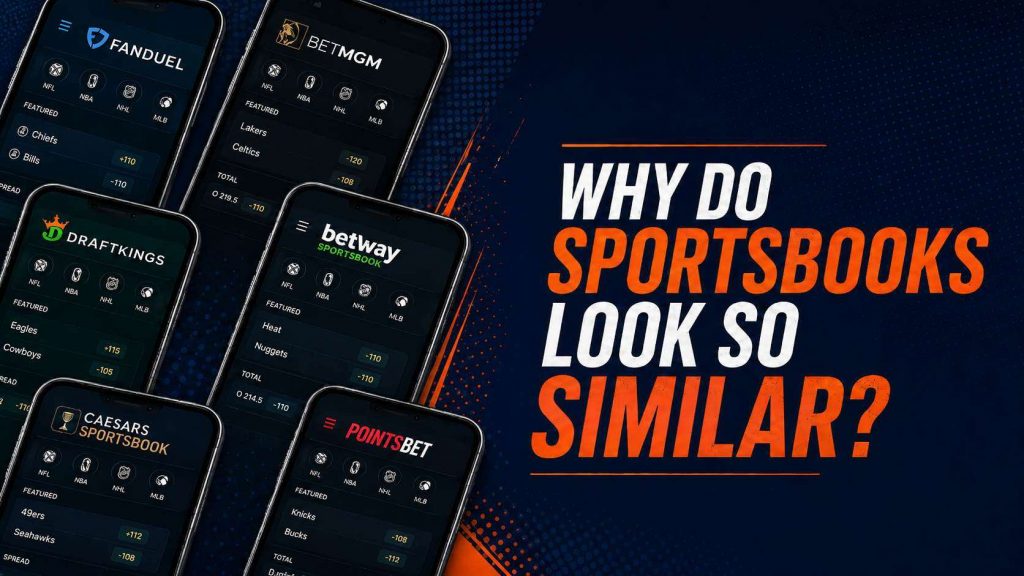
You sign up with Brand A. A few days later, you try Brand B. The name and colors are different, but something about it feels familiar. The bet slip looks the same. The markets are grouped in the same order. Even the tooltip that pops up when you hover over the odds uses almost the same words.
Your first thought is probably: are these the same company?
They might not be. But there’s a reason they feel so similar, and understanding it can change how you think about choosing a platform.
The Short Version of How This Works
Most sportsbooks you find have two sides, even if you only notice one.
The brand you sign up with, like the name on the website, app, or confirmation emails, is usually called the operator. That’s the company you deal with. They handle your account, deposits, withdrawals, identity checks, and any problems you need to solve.
Behind the scenes, many operators use a third-party provider for the betting engine. It’s a bit like a restaurant getting its kitchen equipment from the same supplier as others. The setup might be similar, but your experience depends on how the restaurant is run.
When several brands use the same provider, their betting interfaces often look and work the same way. The market structure, bet slip, and layout patterns are similar. That’s why two platforms can feel like the same sportsbook, even if they’re not run by the same company.
You don’t need to worry about which provider is behind each brand. What matters more is what happens next.
(If you want a bit more background on how sportsbooks are structured, How Sportsbooks Work: The Simple Explanation is a good starting point.)
Where the Difference Actually Shows Up
If two platforms really do run on similar underlying engines, then a lot of what you’re comparing on the product side is largely the same. The odds, the market structure, the feel of placing a bet, browsing, building a parlay—most of that is going to be familiar.
The real difference shows up somewhere else.
You notice it when your withdrawal takes longer than you expected and you’re left wondering why. You notice it when your account is flagged for verification, but no one explains which documents you need or how long it will take. You notice it when a bet settles in a way you didn’t expect and you need someone to explain the reason.
That’s the operator at work. This is where you start to see how different two platforms can be, even if the betting interface looks almost the same.
What a Good Operator Actually Looks Like in Practice
Withdrawals: The process should be clear so you’re not left guessing. You should be able to check your request’s status, know what’s happening, and get a real explanation if something is delayed, not just a message that says “under review.”
KYC and verification: Most platforms will eventually ask you to confirm your identity. A good operator tells you exactly what’s needed, why it’s needed, and about how long it will take. If you get vague requests, repeated follow-ups for the same documents, or no communication, it’s a sign the process wasn’t designed with the user in mind.
Customer support: Response speed matters less than you might think. What matters more is whether the person you’re talking to can actually resolve something. Can they close out a complaint? Escalate it if needed? Give you a consistent answer across two different conversations?
Rules and dispute handling: Can you find the house rules easily? If a bet settles in a way that surprises you, is there a clear explanation? Platforms that have been around for a while usually have this figured out. (If you’re ever unsure how settlement works,
A Beginner’s Guide to Settlement: 7 Rules You Need to Understand
A Beginner’s Guide to Settlement: 7 Rules You Need to Understand
Long-term feel: Complete pages, easy-to-find policies, and a help center that answers real questions. These features might not be exciting, but they show a platform was built to last, not just quickly launched and forgotten.
Your Choice Is Bigger Than You Might Think
Here’s something to think about: If you like a sportsbook’s betting product but the operator has slow withdrawals, slow verification, or unhelpful support, you don’t have to stay.
There’s a good chance another brand uses the same product. The betting experience might feel almost the same, but the operator could handle your money, questions, and problems very differently.
That’s a real choice for you as a customer. It’s easy to miss when you’re focused on the betting product itself, which is what most people notice first.
You’re not stuck with one platform. If the service isn’t good, you can switch. You might find another platform that feels the same when betting, but works much better when you need help.
How to Read a Platform Before You Commit
You can’t see the contract between an operator and its provider. But you can look for signs that show how much the operator cares about the service side.
The withdrawal or wallet section: Does it explain each step clearly? Is the FAQ specific, or does it just sound reassuring without real details?
The verification page: Are the requirements clear? Does it explain why certain documents are needed?
The help center: Does it have real information about withdrawals, verification, and disputes, or is it mostly just promotional text with a contact form at the end?
The footer and terms: Don’t just look for the provider’s name in the small print. Check if the rules are easy to find and understand. If you have to search hard for the terms, be cautious.
None of these signs are guarantees. But if a platform has put effort into these areas, it’s more likely they’ve done the same elsewhere.
Bringing It Back to the Beginning
It’s understandable if you thought you were just choosing a sportsbook when you signed up. The betting product is what you see first: the markets, the odds, the slip. That’s the most visible part.
But what really matters in the long run is the service layer. That’s what decides if a platform feels like it’s working with you or against you. Clear withdrawals, helpful verification, and support that actually solves problems make all the difference.
When two platforms look the same on the surface, that’s often when you notice the biggest differences between operators. The product might be the same, but your experience using it can be very different.
If you’ve ever been surprised by what happens after you try to take money out, Why Your Sportsbook Lets You Deposit but Won’t Let You Withdraw covers what’s usually going on.